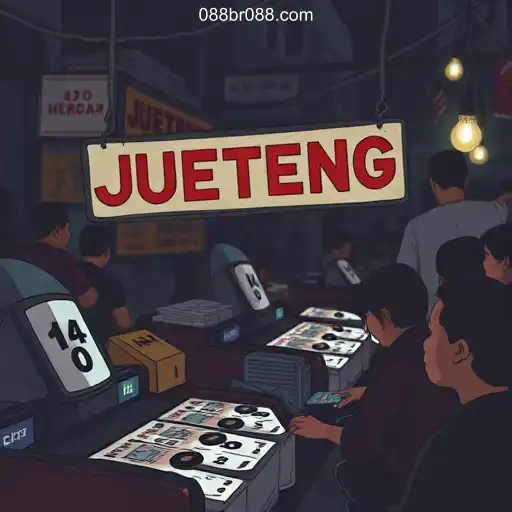
Exploring the Enigma of Jueteng
Jueteng is a form of illegal gambling that has been deeply embedded in the culture and history of the Philippines. Despite numerous efforts to eradicate it, the game continues to thrive, fueled by various socio-economic factors and an intricate network of corruption. In this article, we delve into the complexities of Jueteng, its historical roots, and the challenges it poses to law enforcement and governance.
Understanding Jueteng: The Game and Its Appeal
Jueteng is a numbers game, much like a small-town lottery, but conducted illegally. It involves betting on a set of two numbers between 1 and 37. Players place their bets with kubradors, or collectors, who pass the bets to cabos, or managers, and ultimately to the operators who draw the winning numbers. The simplicity and the potential for a quick cash win make Jueteng highly appealing, particularly in rural and economically disadvantaged areas.
Historical Context and Cultural Resonance
The roots of Jueteng can be traced back to the Spanish colonial period when it was introduced as a form of gambling among Chinese immigrants. Over the years, it has morphed into a part of the local heritage, regarded more as a socially accepted pastime rather than a criminal activity. Attempts to prohibit Jueteng have been met with limited success, primarily because it provides a livelihood for a substantial segment of the population, from collectors to local officials who receive bribes for overlooking its operations.
The Jueteng Economy
The economic aspects of Jueteng cannot be underestimated. The game generates significant revenue, which is distributed across various levels of the organization. For many low-income families, Jueteng offers economic relief, despite its high-risk nature. Official efforts to replace it with legalized lottery systems like the Small Town Lottery (STL) have made little impact due to Jueteng's deep-seated network and the higher payouts it offers compared to legal alternatives.
Corruption and Challenges in Policing
Jueteng's persistence is intimately connected with corruption. It has been publicly documented that Jueteng operators often engage in "jueteng payola," where they pay off police officials, local government units, and even national politicians to ensure uninterrupted operations. This bribery network poses a significant barrier to effective law enforcement and judicial processes. Many high-profile scandals in the Philippine political arena have been linked to Jueteng, reflecting its pervasive influence.
Efforts for Eradication and the Complexity of Reform
Successive administrations have launched campaigns to curb Jueteng, often with limited impact. The difficulty lies not only in dismantling the deeply entrenched networks but also in addressing the socio-economic dependencies on the game. Community involvement and alternative livelihood programs have been proposed as potential solutions, yet these require substantial investment and political will. The enduring allure of Jueteng highlights the need for a more nuanced approach that tackles both economic and societal elements.
Modern Parallels: Online Gambling Trends
As technology advances, traditional forms of gambling like Jueteng face competition from online platforms. In places like Brazil, the rise of online casinos such as 088BR.com Oficial 💯️ - O melhor cassino online do Brasil presents a modern parallel. These platforms attract gamblers seeking convenience and variety. While online gambling brings its regulatory challenges, its growing popularity highlights a shift in gambling behaviors globally, potentially signaling future trends for Jueteng.
The Way Forward
Addressing the Jueteng phenom entails more than strict policing and legislative bans. Comprehensive strategies require addressing poverty, promoting education, and developing community-based solutions. The potential exists for integrating alternative gambling platforms and regulated entertainment forms, as evidenced by the digital attraction of sites like 088BR.com Oficial 💯️ - O melhor cassino online do Brasil. Such integrations could potentially redirect the traditional gambling enthusiasm towards legal alternatives, creating a win-win scenario for all stakeholders involved.